Microcrystalline Cellulose: The Filler Ingredient in Every Sodatide Capsule
Quick answerMicrocrystalline cellulose (MCC) is listed under "Other ingredients" on the Sodatide label, after the three dosed actives. It is purified plant cellulose, used across the pharmaceutical and supplement industry as a filler and dry binder because of its consistent flow and compressibility. Sodatide’s three named actives add up to just 347 mg; MCC and the other listed helpers make up the rest of a fillable, consistent capsule.
Where does microcrystalline cellulose sit on the Sodatide label?
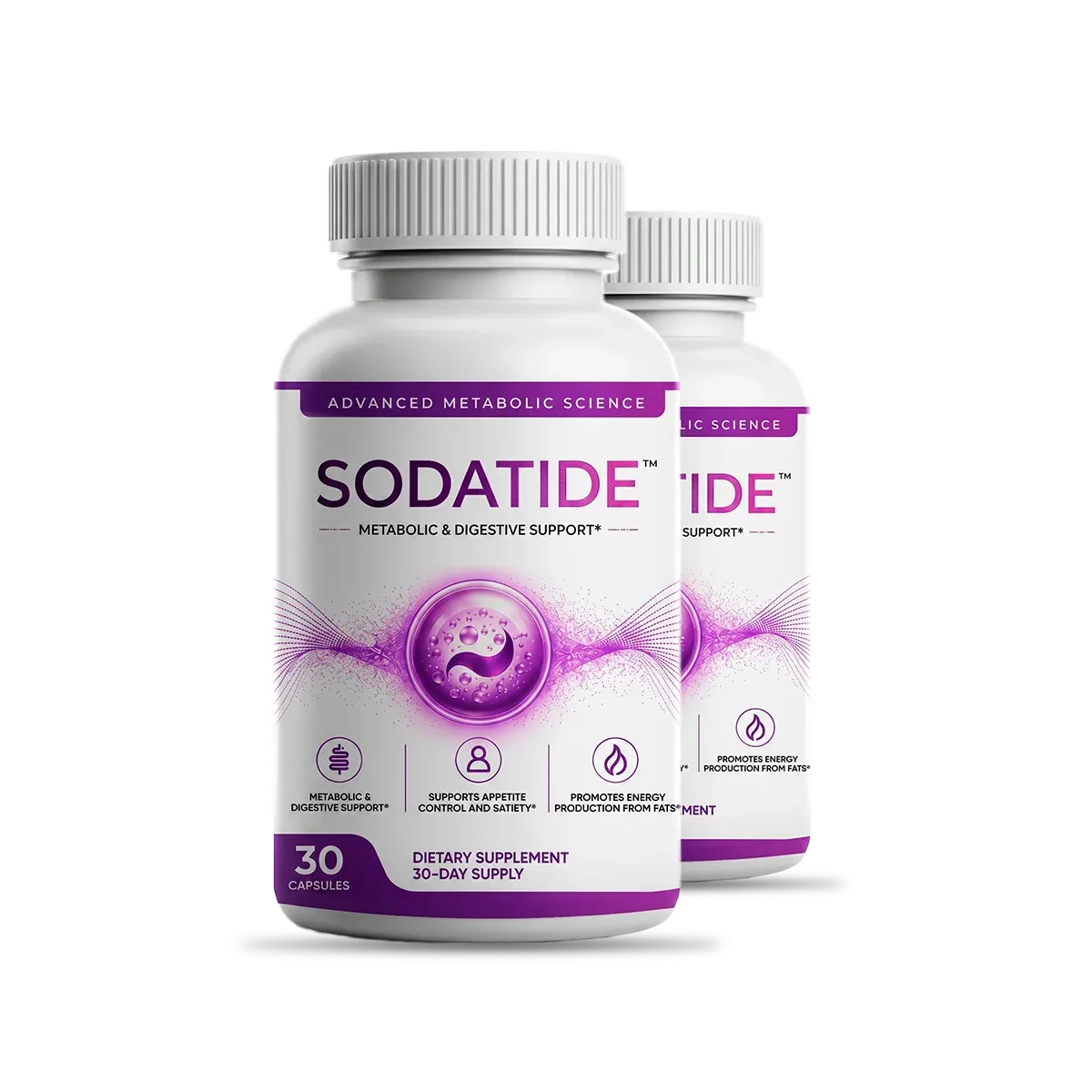
The Sodatide Supplement Facts panel lists three dosed actives — chicory root inulin (211 mg), potato resistant starch (100 mg) and a probiotic blend (36 mg) — followed by a separate line: "Other ingredients (as printed): Hypromellose (vegetarian capsule), microcrystalline cellulose, magnesium stearate, silica."
That second line is where most of a capsule’s physical bulk actually lives. The "other ingredients" are not dosed for a health effect and carry no milligram amount on the panel; they are there to make the capsule itself possible to manufacture, fill and swallow consistently. Microcrystalline cellulose is the main bulk filler among the four.
What is microcrystalline cellulose, exactly?
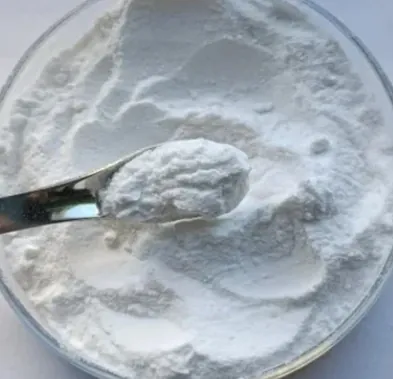
Microcrystalline cellulose is purified, partially depolymerized cellulose — the same structural carbohydrate that makes up plant cell walls — processed into a fine, free-flowing white powder. It is made by treating wood pulp or other plant cellulose sources with dilute acid to break the cellulose fibers down to short, highly crystalline particles, then washing and drying the result.
Chemically, it is the same core molecule as dietary cellulose fiber found in vegetables and whole grains. The difference is processing: food-grade cellulose fiber is left in its natural plant structure, while microcrystalline cellulose is purified and standardized into a powder engineered for one job — behaving predictably inside manufacturing equipment.
Why do capsule and tablet makers use it?
A 2014 pharmaceutical engineering review describes microcrystalline cellulose as "one of the most important tableting excipients," prized for its "outstanding dry binding properties" (Thoorens et al., 2014). Three properties explain why it shows up in such a wide range of capsules and tablets:
It flows consistently through machines
Capsule-filling equipment works by metering a set volume of powder into each shell, many thousands of times an hour. A powder blend that flows unevenly produces capsules with inconsistent fill weights. MCC’s particle shape and size make it flow predictably, which helps keep every capsule close to the same weight.
It compresses and binds without extra steps
MCC can be compacted directly, binding a powder blend together under pressure without needing a separate wet-granulation step first. That is the "direct compression" property the 2014 review focuses on, and it is one reason MCC became a default choice across the industry rather than a single company’s special formula.
It is chemically inert in the blend
MCC does not react with the actives it is mixed with, which matters when a capsule is combining fiber, live or pasteurized bacteria, and moisture-sensitive excipients in the same small space.
What's actually inside the capsule
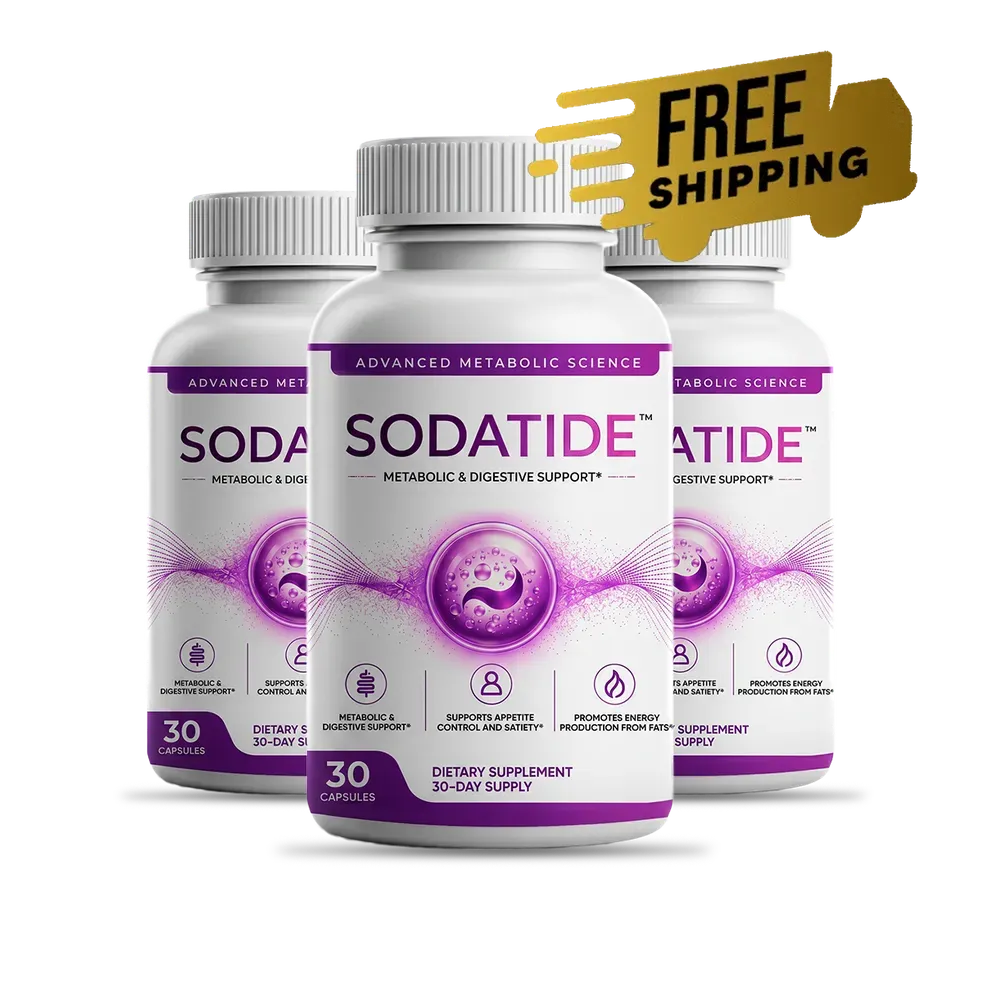
211 mg chicory root inulin, 100 mg potato resistant starch and a 36 mg probiotic blend — plus the capsule shell and flow agents covered in this article. One capsule a day, from $49 a bottle, with a 60-day money-back guarantee.
Why does 347 mg of actives need a filler at all?
| Ingredient | Amount | Category |
|---|---|---|
| Chicory root inulin | 211 mg | Dosed active |
| Potato resistant starch | 100 mg | Dosed active |
| Probiotic blend | 36 mg | Dosed active |
| Total dosed actives | 347 mg | |
| Hypromellose, MCC, magnesium stearate, silica | Not published | Other ingredients (undosed) |
A standard capsule size used for supplements typically holds somewhere under a gram of powder, depending on the exact shell size. 347 mg of combined actives is a real but modest amount of material on its own, split across three very different kinds of powder: a soluble fiber, an insoluble starch, and a small amount of bacterial biomass. Fine powders, especially a mix including live or pasteurized bacteria, also do not always flow or compress well without help, and a probiotic blend in particular can be sensitive to the moisture and static behavior of whatever it is mixed with. MCC’s job is to take whatever volume the actives do not fill and turn the whole blend into something a capsule-filling line can handle consistently, batch after batch, without jamming hoppers or producing capsules that are over- or under-filled.
This pattern holds across the industry, not just for Sodatide: a label splitting a modest total dose across several different powder types, including a biological one, will tend to carry more "other ingredients" support than a single-active tablet built around one large, uniform dose.
What microcrystalline cellulose is not
It is worth being precise about what MCC is not doing on this label, since "cellulose" and "fiber" are easy to conflate:
- It is not one of Sodatide’s two named fiber actives. Chicory root inulin and potato resistant starch are the fibers the front-label claims and the dose math on this blog refer to. MCC sits in the undosed "other ingredients" line, not the active fiber count.
- It carries no milligram amount on the panel. Unlike the three actives above it, MCC’s "other ingredients" status means the label does not have to state how much is in each capsule.
- It is not unique to Sodatide. MCC is one of the most common excipients in the entire pharmaceutical and supplement industry, used in a very wide range of tablets and capsules for the reasons above.
Is microcrystalline cellulose safe to take every day?
Microcrystalline cellulose has one of the longest track records of any pharmaceutical excipient; it has been a default filler and binder in oral medicines and supplements for decades, which is exactly why the 2014 engineering review treats it as a known quantity rather than a novel material requiring fresh safety data (Thoorens et al., 2014). Because the body cannot digest cellulose, MCC largely passes through the digestive tract rather than being absorbed, similar to other insoluble plant fibers.
That said, "other ingredients" status means Sodatide’s label does not disclose exactly how much MCC is in each capsule, so this article cannot and does not claim a specific daily intake figure for it. Readers who want that number for their own tracking would need to contact the brand directly, since it is not printed on the panel.
What are the other three "other ingredients"?
MCC shares the "other ingredients" line with three more helpers, each with its own job:
- Hypromellose — the material the capsule shell itself is made from, used instead of gelatin to keep the capsule vegetarian.
- Magnesium stearate — a lubricant that keeps powder from sticking to manufacturing equipment during filling.
- Silica — an anti-caking agent that keeps fine powders, including the probiotic blend, flowing freely rather than clumping. This blog covers why a probiotic capsule lists silica in more depth.
None of the four "other ingredients" are dosed for a health claim. Together with MCC, they are the manufacturing side of the label — the part that makes the two fibers and the probiotic blend deliverable as a single daily capsule rather than a loose powder.
How does microcrystalline cellulose compare with other common fillers?
MCC is not the only filler used in capsules and tablets, and it is worth knowing what the alternatives are, since a different brand’s label might list one of them instead.
| Filler | Common source | Why it gets chosen |
|---|---|---|
| Microcrystalline cellulose | Purified plant cellulose | Strong dry binding, reliable flow, works well for direct compression |
| Lactose | Milk sugar | Inexpensive, well characterized, but unsuitable for lactose-intolerant users |
| Dicalcium phosphate | Mineral salt | Very stable and non-hygroscopic, but can be harder to compress alone |
| Mannitol | Sugar alcohol | Low hygroscopicity and good compactibility, increasingly popular for moisture-sensitive blends |
Sodatide’s label names microcrystalline cellulose specifically, which at minimum tells a reader the capsule does not rely on a lactose-based filler — relevant for anyone checking a label for dairy-derived ingredients, separate from the "dairy free" seal already printed on the Sodatide packaging.
How should you read "other ingredients" on any supplement label?
The "other ingredients" line is one of the more overlooked parts of any Supplement Facts panel, but it is worth a quick scan for three reasons.
It can flag allergens or sensitivities
Fillers derived from milk, soy, wheat or shellfish occasionally appear in this line on other products. Sodatide’s "other ingredients" — hypromellose, microcrystalline cellulose, magnesium stearate and silica — are all plant-, mineral- or synthetically-derived, not animal- or major-allergen-derived, which lines up with the gluten free, dairy free and vegetarian seals printed elsewhere on the package.
It tells you the capsule is not "just" the active ingredients
No capsule on the market is 100% active ingredient; some amount of filler, binder or flow agent is standard across the industry; the question worth asking is whether the brand discloses what those helpers are, which Sodatide does by naming all four.
It does not tell you the amount
Because "other ingredients" carries no required milligram disclosure, two capsules with an identical filler list could use very different amounts of it. That is simply a feature of how this part of the label works, not something specific to one brand.
Microcrystalline cellulose: FAQ
Is microcrystalline cellulose a fiber in Sodatide?
Chemically, cellulose is a plant fiber. On the Sodatide label, though, it sits in the undosed "other ingredients" line, separate from the two named, dosed fiber actives: chicory root inulin and potato resistant starch.
Why does a supplement capsule need a filler at all?
Sodatide's three dosed actives add up to 347 mg. Fillers like microcrystalline cellulose add bulk and improve powder flow so a capsule-filling machine can produce consistent, evenly filled capsules at scale.
How much microcrystalline cellulose is in one Sodatide capsule?
The label does not say. Microcrystalline cellulose is listed under "Other ingredients," a category that does not require a printed milligram amount.
Is microcrystalline cellulose the same as dietary fiber from food?
It is chemically the same base molecule, cellulose, but processed differently. Microcrystalline cellulose is purified and standardized into a free-flowing powder for manufacturing; food cellulose fiber stays in its natural plant structure.
Is microcrystalline cellulose common in other supplements?
Yes. It is one of the most widely used excipients in the pharmaceutical and supplement industry, chosen for its flow, binding and compression properties in direct-compression manufacturing.
Does microcrystalline cellulose come from an animal source?
No. Microcrystalline cellulose is derived from plant cellulose, typically wood pulp or similar plant fiber sources, purified through an acid-hydrolysis process. It is not animal-derived.
Could microcrystalline cellulose cause digestive side effects?
Cellulose is not digested or absorbed by the human body, so it largely passes through the gut, similar to other insoluble fibers. The Sodatide label does not publish a milligram amount for it, so this article cannot state a specific daily intake; general digestive side effects of the whole capsule are covered on the side effects page.