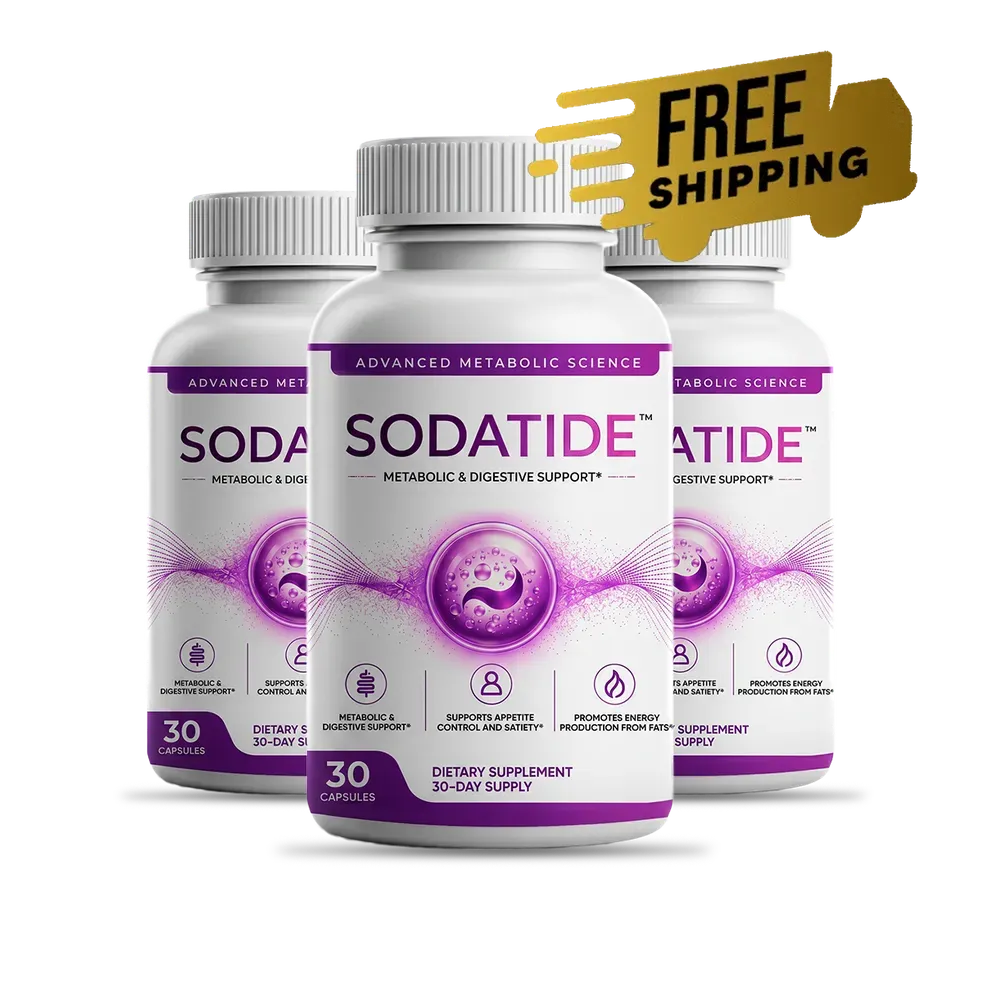
Choosing a Gut Health Supplement: A Sodatide Buyer's Checklist
Quick answerCheck six things before you buy any gut health supplement: named strains with a CFU count, doses close to the research, clear storage directions, third-party testing, a written refund policy, and the real price per day. Applied honestly, Sodatide scores well on storage, refunds and price, and lower on CFU, dose and testing.
What should you check before buying a gut health supplement?
A good gut health supplement tells you exactly what is inside, in amounts you can compare with research. It also tells you how to store it, who checked it, and how to get your money back. Anything less leaves you guessing.
The six points below work for any capsule, powder or gummy on the shelf. Run each product through them before you pay. Then compare the scores side by side.
1. Strains and CFU
Genus, species and strain code for every bacterium, with a CFU count.
2. Dose vs. research
Amounts close to what human studies actually tested.
3. Storage
Clear directions: room temperature or refrigerate, and why.
4. Third-party testing
A named lab or seal, and a certificate you can read.
5. Refund policy
A written window, a phone number and a returns address.
6. Price per day
Total cost, shipping included, divided by days of use.
Point 1: does the label name each strain and its CFU count?
Start with the probiotic names. A strong label lists the genus, the species and a strain code for each bacterium, like Bifidobacterium infantis 35624. It also gives a CFU count, the estimated number of live cells per serving.
Why the fuss? Benefits are mostly strain-specific, and about 1 billion CFU per serving is a common minimum for general claims (Hill et al., 2014). One strain of a species may have trial data while its cousin has none.
Watch for blends listed only in milligrams. Milligrams measure weight, and weight tells you nothing about how many cells are alive. A "proprietary blend" with a single total is the weakest version of this.
What a complete strain listing looks like
Look for three things per strain: a species name, a strain code, and a CFU or cell count that is stated "at time of manufacture" or, stronger, "through expiration."
Point 2: are the doses close to what studies used?
Next, compare each amount with the doses that human studies used. Fiber studies usually work in grams, not milligrams. Probiotic studies work in CFU or cell counts.
A few reference points help. Chicory inulin raised bifidobacteria at 12 g a day (Vandeputte et al., 2017). Resistant potato starch raised butyrate at 28 to 34 g a day (Baxter et al., 2019). Akkermansia muciniphila was tested at 10 billion pasteurized cells a day (Depommier et al., 2019).
A lower dose is not proof a product fails. It does mean the product was not tested at that amount. Our Supplement Facts breakdown shows how this plays out on a real label.
Point 3: does the label explain storage?
Live bacteria are sensitive to heat, moisture and air. A good label tells you plainly how to store the product. It should also say whether the count holds at room temperature or needs the fridge.
Clear storage directions are a quality signal, even when they add a small chore. A product with no storage guidance at all leaves you guessing about what survives in your cabinet.
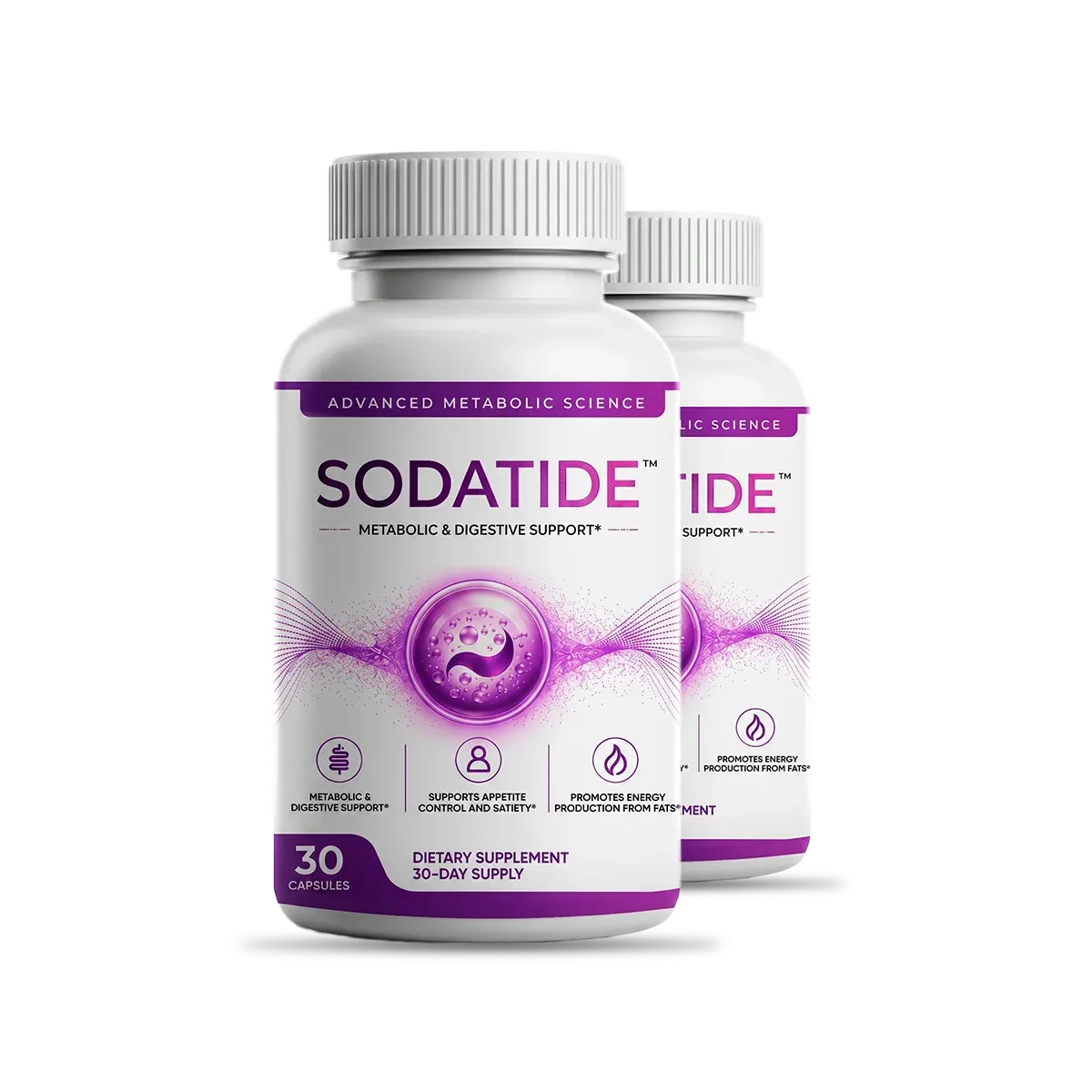
Sodatide says to refrigerate after opening and to keep the bottle away from heat, light and humidity. Our article on how to store probiotic capsules covers the day-to-day details, from the fridge shelf to travel.
Point 4: has the product been tested by a third party?
Third-party testing means an outside lab checked the product for identity, strength and contaminants. The strongest proof is a certificate of analysis (CoA) tied to your lot number. A seal from a named certifying group is next best.
Keep the limits of common seals in mind. "Made in an FDA-registered facility" describes the factory, not the product. The FDA does not approve dietary supplements before they are marketed (FDA, Q&A on Dietary Supplements). A GMP seal says the maker claims to follow manufacturing rules, which is useful but not the same as a lab test of your bottle.
Find the lot number
It is usually printed on the bottle base or the label edge, often next to the best-before date.
Look for a certificate
Check the brand site for a CoA that matches your lot. Note the lab name and the test date.
Read what was tested
A useful CoA covers identity, amount per serving, microbes and heavy metals.
For Sodatide, the batch page and testing and quality page explain what is and is not published.
Point 5: is the refund policy written down?
A clear refund policy protects you while you find out whether a product suits you. Look for a set number of days, a phone number that reaches a person, and a returns address in writing. Vague promises like "satisfaction guaranteed" with no details are not enough.
Sodatide has a 60-day money-back guarantee counted from the purchase date. Claims start with a call to the order desk with your order ID. Full terms are on the guarantee page and the refund policy.
Match the trial to the window. If you want several weeks of daily use, buy a pack that lasts that long and still leaves time to call the desk.
Point 6: what does it really cost per day?
Price per day is the fairest way to compare supplements. Divide the total you pay, shipping included, by the number of days the order lasts. Bottle price alone hides differences in serving size and pack size.
At one capsule a day, each Sodatide bottle lasts 30 days. Here is the math for each pack.
| Pack | Per bottle | Total | Lasts | Per day | Shipping |
|---|---|---|---|---|---|
| 6 bottles | $49 | $294 | 180 days | $1.63 | Free US shipping |
| 3 bottles | $69 | $207 | 90 days | $2.30 | Free US shipping |
| 2 bottles | $79 | $158 | 60 days | $2.63 | Shipping added at checkout |
A lower daily price only matters if you plan to keep taking it. For a first try, weigh the per-day cost against how much you commit up front. The pricing page compares the packs in more detail.
How does Sodatide score on the checklist?
Here is the same checklist applied to Sodatide, point by point. We sell Sodatide, and we still score it on the label and the published facts. Where a fact is missing, the score reflects that.
| Checklist point | Score | What we found on Sodatide |
|---|---|---|
| Named strains | 3 / 5 | Three species are named: B. infantis, C. butyricum, A. muciniphila. No strain codes. |
| CFU count | 1 / 5 | Not published. The label gives a 36 mg blend total, which is a weight, not a cell count. |
| Dose vs. research | 2 / 5 | Inulin 211 mg and resistant starch 100 mg are far below the gram doses studied. |
| Storage directions | 5 / 5 | Clear: refrigerate after opening; keep away from heat, light and humidity. |
| Third-party testing | 2 / 5 | Lot SOD-26/SO-6898 and CoA reference SOD-6898-26-SO are shown, but no lab certificate is published. GMP and FDA-facility seals describe the maker. |
| Refund policy | 4 / 5 | 60 days, phone desk and returns address in writing. Buyer pays return shipping. |
| Price per day | 4 / 5 | $1.63 to $2.63 a day, with free US shipping on 3 or 6 bottles. |
Where Sodatide scores well
- Clear storage directions
- Written 60-day refund policy with a phone desk
- Low daily cost on larger packs
- Two prebiotic fibers and three named species in one capsule
Where Sodatide scores lower
- No CFU count or strain codes
- Fiber doses far below studied amounts
- No lab certificate published
- Return shipping paid by the buyer
What should make you pause before buying any gut supplement, Sodatide included?
Some warning signs apply to every product, not just this one. If you see these, slow down and check again before you buy.
Disease or cure claims
Supplements cannot legally claim to treat or cure a disease. Any page that does is overselling.
Claims of FDA approval
The FDA does not approve supplements. Only the factory can be registered with the FDA.
Guaranteed weight loss
No gut supplement can promise a result or a timeline. Look for label claims, not pounds.
No refund details
A guarantee with no days, no phone and no address is not a policy you can use.
Marketplace resellers
Third-party sellers may ship old stock and may not honor the refund. See where to buy.
Invented reviews
Identical quotes, stock photos and ratings with no source are signs to treat reviews with care.
How do you use this checklist in five minutes?
Pull up the Supplement Facts
Read the full panel, not the front label. Note every amount and every strain.
Score the six points
Give each point a 1 to 5 score using the table on this page as a model.
Do the daily math
Divide total cost by days of use, with shipping included.
Check the refund route
Save the phone number and returns address before you order.
Talk to your doctor if needed
Especially if you are pregnant, nursing, under 18, take medicine or have a medical condition.
Want the background first? Our gut health guide explains prebiotics, probiotics and fiber targets in plain English. The inulin vs. resistant starch article compares the two fibers.
Sodatide buyer's checklist FAQ
What is the most important thing to check on a probiotic label?
Look for the genus, species and strain code of each bacterium, plus a CFU count. Benefits are mostly strain-specific, so a name without a strain or count tells you less.
What does CFU mean?
CFU stands for colony-forming units. It estimates how many live bacteria a serving holds. Milligrams measure weight, not live cells, so they cannot stand in for CFU.
Does "made in an FDA-registered facility" mean the product has FDA approval?
No. The FDA never approves dietary supplements before they go on sale. That phrase describes the factory, not the product.
How do I work out the price per day?
Divide the total you pay, including shipping, by the number of days the order lasts. For Sodatide, the 6-bottle pack is $294 for 180 days, about $1.63 a day.
Does Sodatide publish a lab certificate?
Not yet. The pack shows lot SOD-26/SO-6898 and a certificate reference, SOD-6898-26-SO, but no lab certificate has been published for buyers.
What is a red flag in supplement marketing?
Promises to cure a disease, guaranteed weight loss, fake countdown timers, and claims of FDA approval for a supplement are all warning signs.
How long should I try a gut supplement before deciding?
Plan on several weeks of daily use. Pick a pack that lets you finish that trial inside the refund window, so you can still claim a refund if it does not suit you.
Checked the boxes? Try Sodatide for 60 days
One capsule a day, 30 capsules per bottle, from $49 a bottle with a 60-day money-back guarantee. Questions first? Every desk is listed on the contact page.